
For: Operations managers, maintenance leaders and finance teams
Identify the production constraint
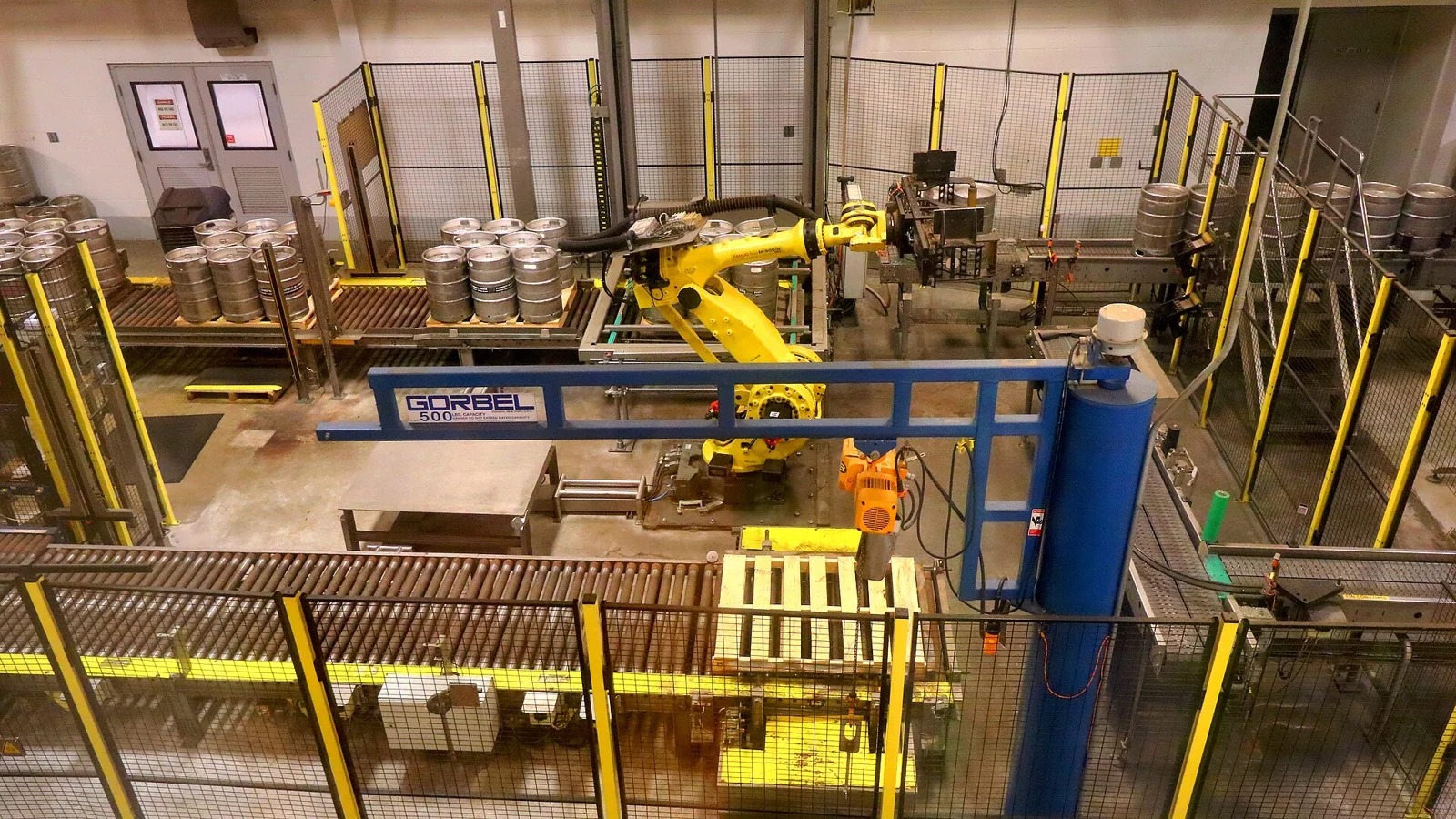
Build a list of equipment whose loss would stop a line, delay acceptance testing or interrupt a shared service such as compressed air, steam, cooling or electrical distribution. Record the products and revenue that depend on each asset. A plant may own several similar machines but have only one approved for a particular customer tolerance or material. Practical redundancy must account for capacity, tooling, staffing and qualification; equipment counts alone can overstate the available recovery options.
Distinguish a breakdown from maintenance expense
Equipment-breakdown coverage may address defined mechanical, electrical or pressure-system events, subject to the issued form. It should not be treated as a maintenance agreement. Wear, deterioration, consumable parts, performance shortfalls and planned replacement may fall outside coverage. Review the definition of covered equipment, the qualifying event, exclusions and any associated business-income, spoilage or extra-expense provisions. Physical repair protection does not by itself establish compensation for every day that output remains below plan.
Make the maintenance record useful to underwriting
Organize preventive-maintenance schedules, inspection results, condition-monitoring records and corrective work around the critical equipment list. Explain recurring failures and the action taken, rather than providing a large undifferentiated service archive. Identify obsolete controls, unsupported software and proprietary components. Document who can obtain parts or reprogram a replacement controller. If outside technicians are essential, consider the realistic availability of service personnel, travel and factory support during a widespread event.
Build a credible return-to-production scenario
A restoration estimate should extend beyond delivery of a replacement machine. Include installation, alignment, calibration, utilities, safety checks, trial runs and customer approval where relevant. Compare spare-parts inventory and alternate production arrangements with those steps. Expediting expense and temporary outsourcing may be useful recovery options, but reimbursement depends on policy provisions and the circumstances. Keep planned capital upgrades separate from like-for-like restoration assumptions.
Maintenance work also raises worker-safety questions. Coordinate energy-control procedures, contractor responsibilities and safe recommissioning with qualified personnel. An insurance discussion does not establish that a machine or maintenance procedure complies with OSHA requirements. The purpose of the submission is to describe reliability controls and financial dependencies accurately, so coverage questions can be addressed before a failure.
Information worth bringing
- Critical-equipment register with dependent products and output
- Maintenance history and unresolved reliability issues
- Replacement lead times, spares and service agreements
- Restart, calibration and customer qualification timetable
Discuss an appropriate exchange method before sending confidential records. This website does not collect documents.
Educational review: October 28, 2026 · Policy wording and facts control.