
For: Automotive suppliers, quality directors and finance leaders
Identify the component’s role in the vehicle
Describe the products, materials, assembly level and intended function. Distinguish safety-critical applications from trim or other components, without assuming either category is free of liability exposure. Explain whether you supply directly to an original equipment manufacturer or through another tier and disclose known end uses.
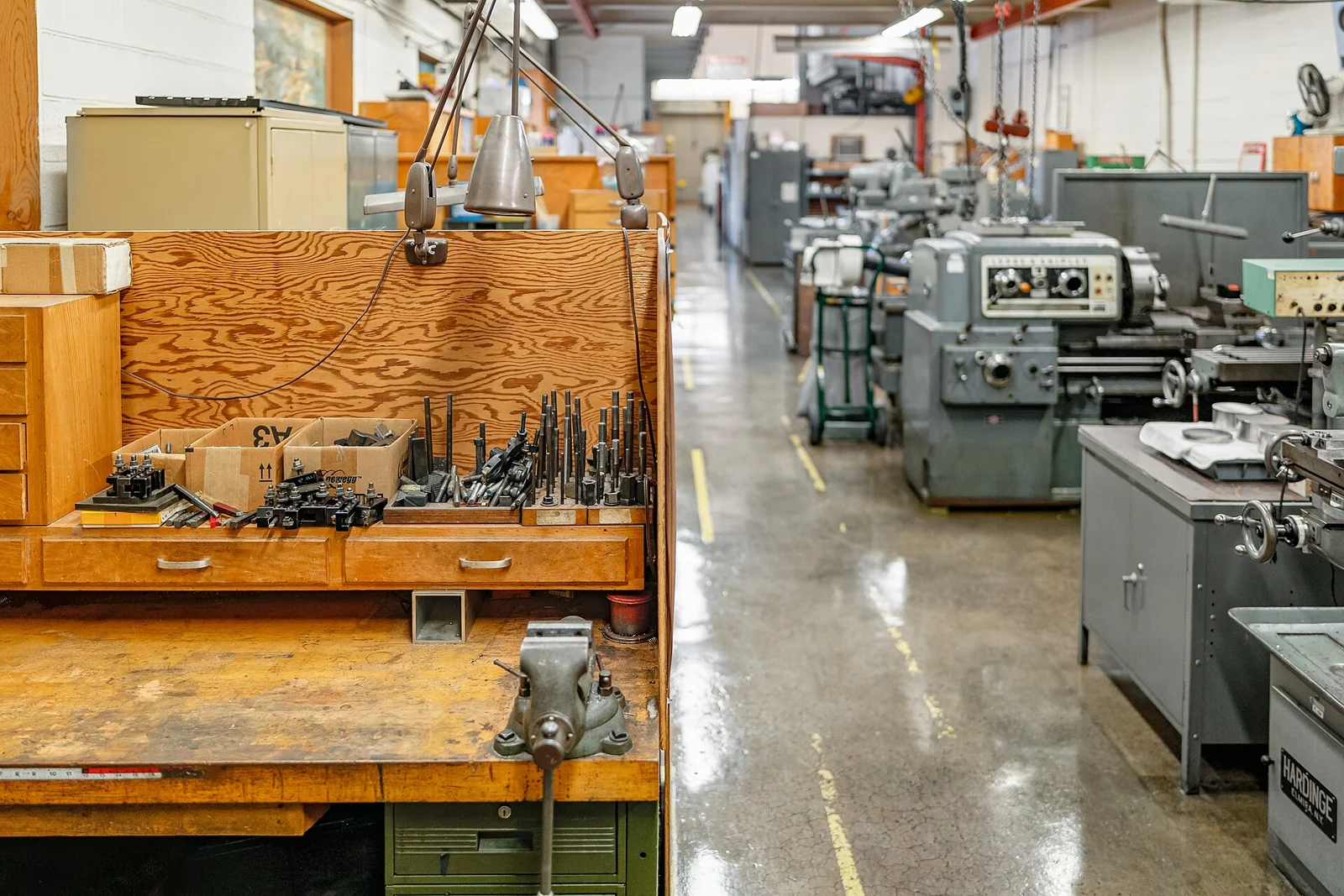
Customer-approved tooling, production methods and material specifications can limit replacement options. Schedule tooling by ownership and location, including third-party mold or die makers. Clarify who must insure customer property and how the contract measures its replacement value.
Treat recall and line-stop demands as separate questions
Products liability may address certain allegations of bodily injury or property damage caused by a component. A recall, sorting campaign, replacement of the component or interruption of the customer’s assembly line may involve different policy terms or uninsured contractual obligations. A large liability limit does not resolve those distinctions.
Review customer agreements for chargebacks, consequential damages, recall allocation, warranty obligations and indemnity. If your team designs or recommends a component, discuss manufacturers E&O and professional-services exclusions. Specialized automotive applications require confirmation of insurer appetite rather than relying on a broad manufacturing description.
Model interruption around approved production
A replacement press or supplier may need qualification before production can resume. Recovery planning should include tooling lead time, first-article work and customer release requirements. Identify single-source materials and shared sub-tier suppliers that affect several product lines.
A renewal submission should include revenue by customer and application, quality performance, batch or serial traceability, loss history and continuity plans. Explain improvements following defects or near misses with specific records. Contingent business-income coverage should be reviewed for insured suppliers, causes of loss and sublimits; general supply-chain disruption is not automatically insured.
Information worth bringing
- Revenue by customer, platform and component function
- Tooling ownership, location and replacement values
- Traceability, corrective-action and customer-release procedures
- Recall, chargeback and line-stop provisions in contracts
Discuss an appropriate exchange method before sending confidential records. This website does not collect documents.
Educational review: October 28, 2026 · Policy wording and facts control.