

For: CFOs, controllers and plant leadership
Separate accounting values from restoration costs
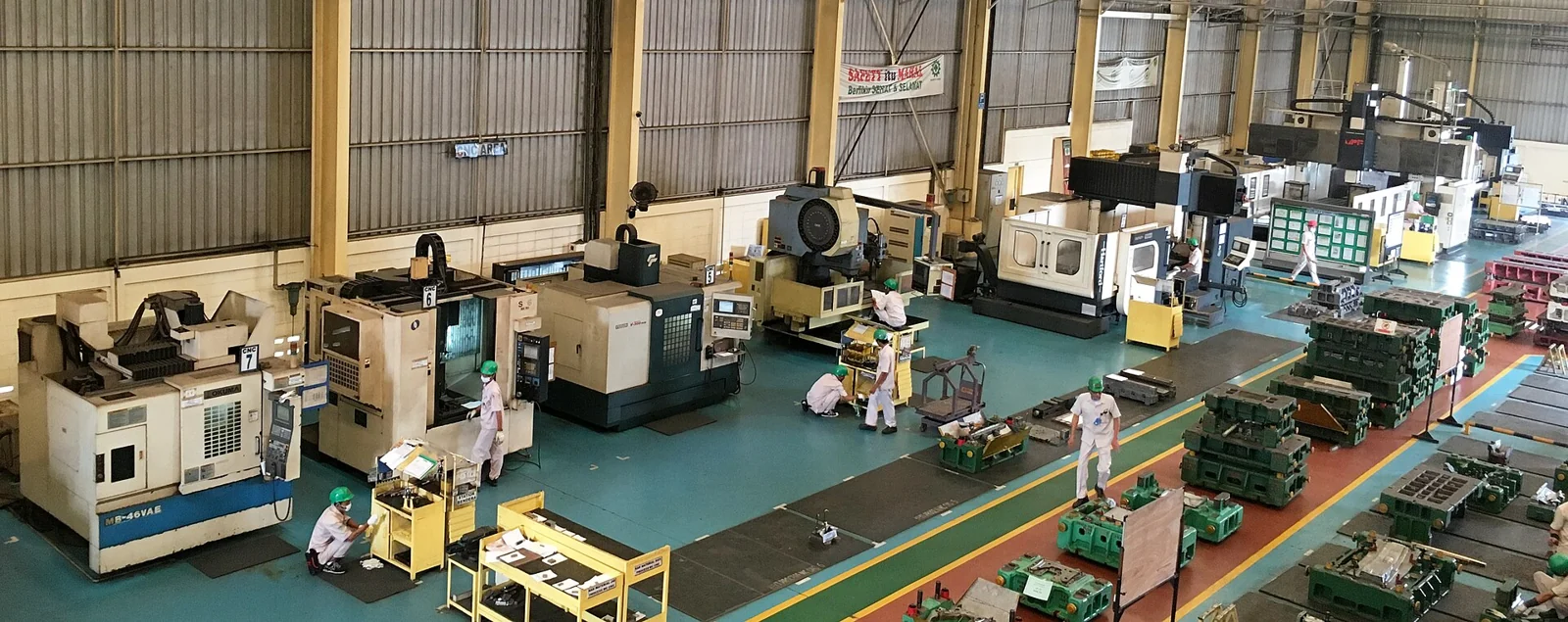
A depreciated book value, purchase price and replacement-cost estimate answer different questions. A manufacturer preparing a renewal should identify the valuation basis requested by the insurer for buildings, machinery, stock, tenant improvements and property of others. Used equipment may have a low acquisition price yet require expensive transport, foundations, wiring and commissioning to replace. Conversely, not every accounting asset belongs in the same insurance category. Reconcile the schedule with finance, operations and the policy definitions before adopting a limit.
For leased facilities, review who owns improvements and who must insure them. A landlord’s building policy does not establish protection for tenant machinery or lost production. Customer-owned dies, molds and raw materials also need an ownership and responsibility review. Their presence at the plant is not proof that the manufacturer’s blanket limit or valuation clause includes them.
Build a location-level statement
Identify each building and its occupancy, construction, area, protection and major processes. Separate raw materials, work in process and finished goods where the insurer requests those categories. Explain seasonal inventory peaks, imported stock, high-value components and property stored outside. When a single scheduled location includes several buildings, confirm how the wording treats the location, fire divisions and maximum values rather than relying on an informal campus address.
Test the assumptions behind the total
Ask whether estimates account for freight, duties, installation, debris removal and code-related rebuilding costs, and whether those costs belong inside the main limit or under separate provisions. Specialized equipment may need quotations or qualified valuation support. Discuss inflation, acquisition plans, coinsurance or reporting provisions and any margin clause. A blanket limit can still be affected by sublimits, valuation conditions and inaccurate values; it is not a substitute for a reliable schedule.
Connect values to the recovery timetable
The property total does not calculate the earnings exposure. A damaged machine with modest replacement cost may control an entire production line. Record sourcing, delivery, installation, testing and customer requalification time separately from its physical value. A program review can then compare property valuation with business-income assumptions, equipment-breakdown provisions and transit arrangements. Update the schedule after major capital projects instead of waiting for an annual reminder.
Information worth bringing
- Location and building schedule with ownership and occupancy
- Equipment values including installation and commissioning assumptions
- Peak stock and customer-owned property by location
- Recent appraisals, major acquisitions and planned capital expenditure
Discuss an appropriate exchange method before sending confidential records. This website does not collect documents.
Educational review: October 28, 2026 · Policy wording and facts control.