
For: Electronics assemblers, production engineers and financial managers
Describe the work at assembly level
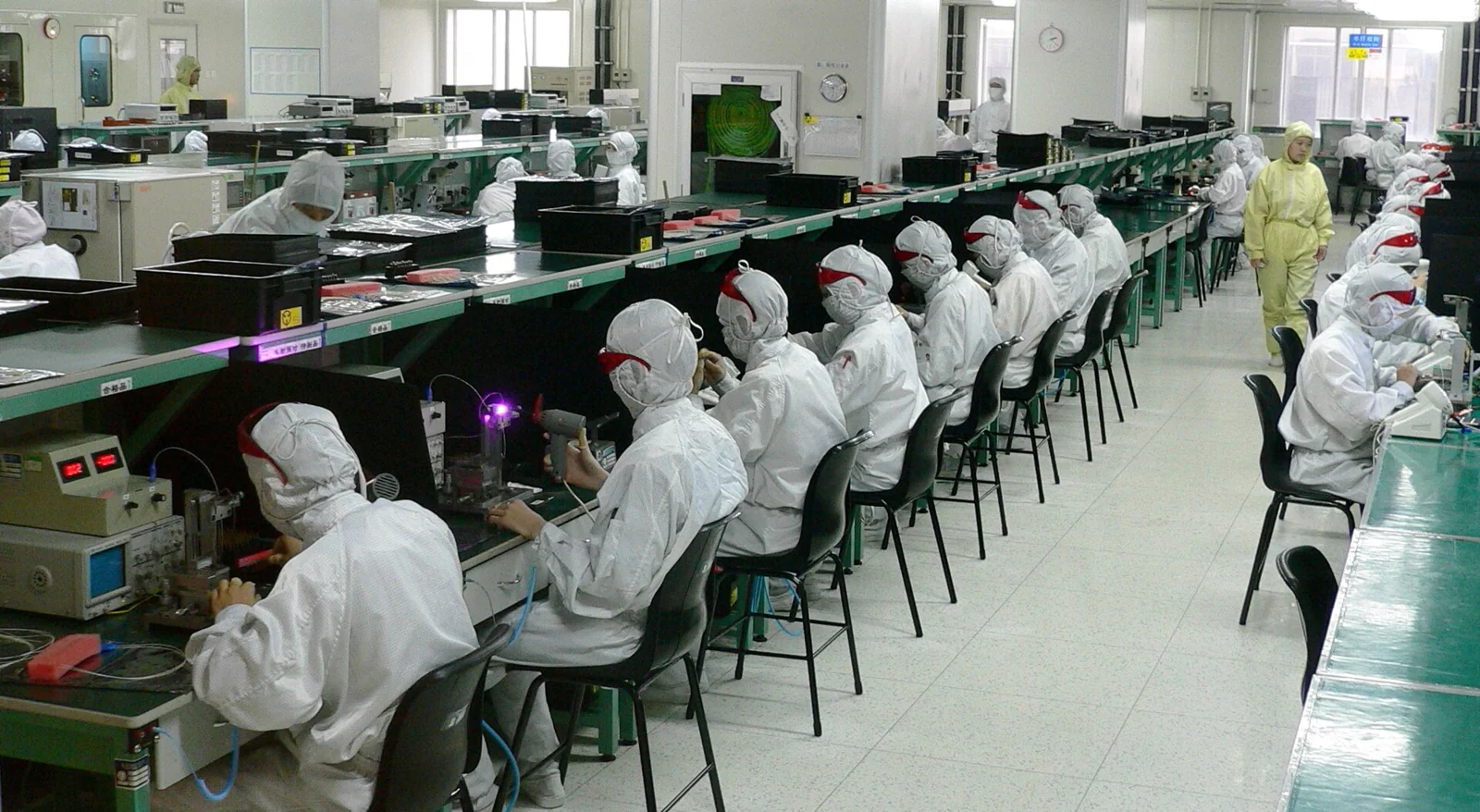
Identify whether you manufacture boards, populate assemblies, integrate systems, program firmware or test finished devices. Explain where customer design ends and your own engineering decisions begin. Intended applications, including medical, transportation or industrial control use, need to be disclosed specifically.
Purchased components and customer-supplied materials may create large values in a compact space. Separate ownership and responsibility for consigned inventory, work in process and finished goods. Review stock valuation and property-of-others terms alongside customer agreements rather than assuming book value represents the exposure.
Evaluate defects beyond the cost of a board
A solder defect, incorrect component or programming error can require rework without a covered injury or property-damage claim. If an assembly damages another system or allegedly causes injury, products-liability questions become different. Recall, replacement and economic-loss exposure should be reviewed on their own terms.
Customer contracts may require reimbursement of sorting, field service, expedited freight or production downtime. Manufacturers E&O may be relevant to some economic-loss allegations, but it is not a guarantee of contractual performance. Explain design advice, firmware work and testing services accurately so exclusions can be assessed.
Account for sourcing and qualified restart
A component with a long replacement lead time can affect output even when production equipment remains intact. Identify approved alternatives, sole-source parts and concentration in distributors or contract facilities. Supplier failure, scarcity and shipping delay are not automatically covered contingent business-interruption events.
For plant recovery, consider reflow, inspection, testing and environmental controls alongside assembly machinery. Document maintenance, backup programs and validation after a change in equipment. Underwriters may request revenue by application, quality procedures, component traceability and loss history. Technical controls should be described by what they do, without overstating their protection or promising insurer acceptance.
Information worth bringing
- Revenue by assembly type and final application
- Consigned components and work-in-process peak values
- Firmware, design and testing responsibilities
- Approved alternatives for critical components and production equipment
Discuss an appropriate exchange method before sending confidential records. This website does not collect documents.
Educational review: October 28, 2026 · Policy wording and facts control.