
For: EHS managers, plant leadership and workers-compensation buyers
Describe how people interact with the process
A payroll total does not explain exposure to presses, conveyors, forklifts, maintenance work, repetitive tasks, chemicals or hot operations. Describe job duties, shift patterns, temporary labor, contractors and work performed away from the plant. Separate production, clerical, installation and service activities accurately. Classification and jurisdictional questions should be reviewed with the insurer and appropriate advisers; a convenient job title does not establish the correct workers-compensation treatment.
Use federal guidance within its actual scope
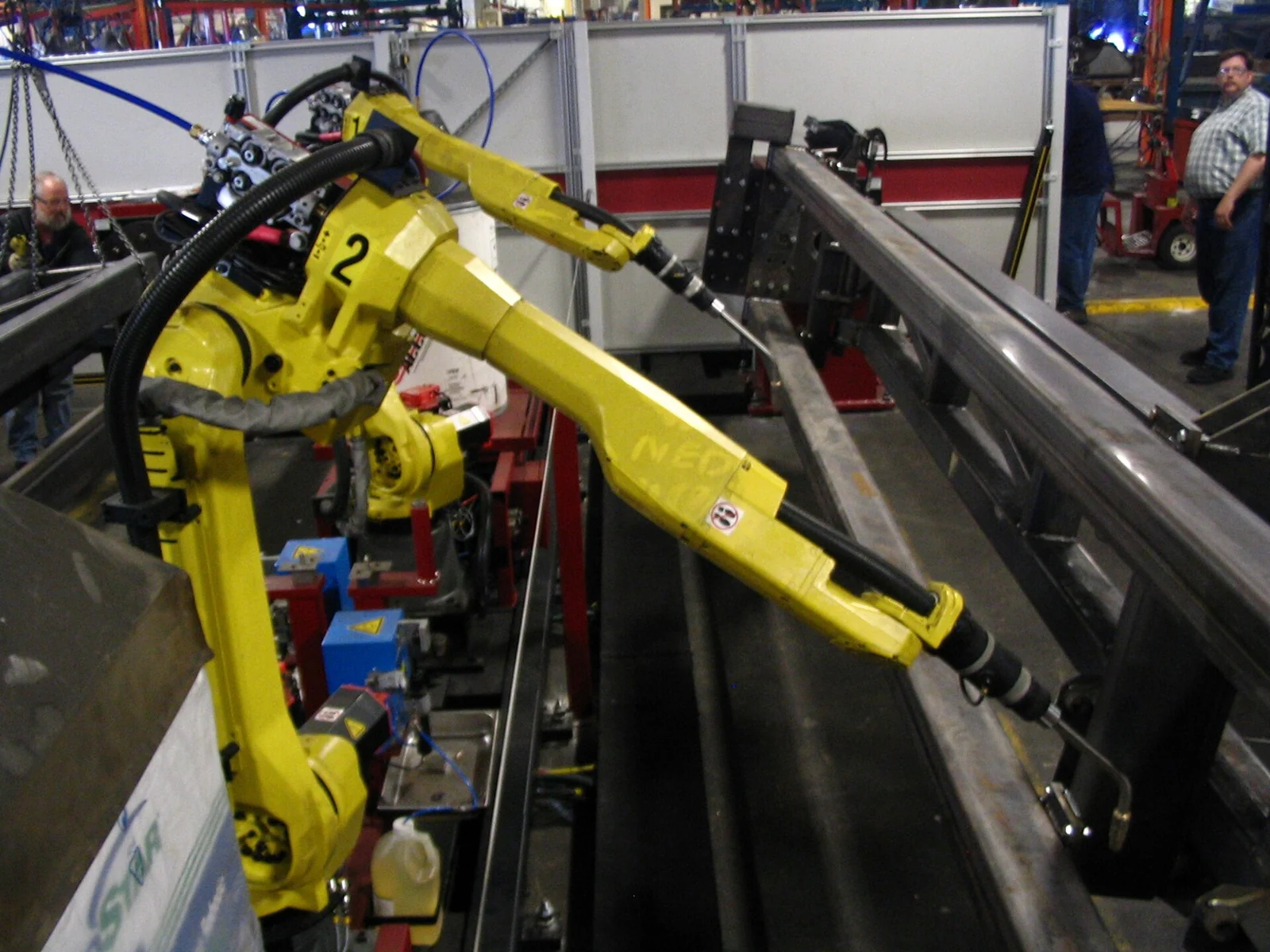
OSHA’s general machine-guarding rule addresses hazards such as points of operation and moving parts. Hazardous-energy-control requirements address qualifying servicing and maintenance. These topics are relevant to many manufacturers, but applicability, exceptions and equipment-specific requirements need proper evaluation. A training card, inspection checklist or insurance policy does not certify a facility as compliant. State-plan requirements and other applicable rules can differ from the federal baseline.
Regulatory scope: reviewed October 28, 2026. This page provides U.S. federal general-industry context for an insurance discussion. It is not an engineering design, industrial-hygiene assessment, legal opinion or site-specific OSHA compliance determination.
Show the corrective work behind the loss history
Underwriters may ask for loss runs, payroll detail, experience-modification information where applicable, safety responsibilities and corrective actions. Explain recurring injury patterns and changes made to the process, equipment or supervision. Document training by role, contractor coordination and how concerns are escalated. Avoid presenting a low reported claim count as proof that no exposure exists; reporting practices, workforce changes and claim development can affect the picture.
Coordinate claims and safe return to work
A written injury-reporting process can help employees and supervisors know whom to contact and what information to preserve. Return-to-work arrangements should be coordinated with treating professionals, applicable law and the insurer, rather than promised as a universal claim-cost solution. Document actual available duties and restrictions without sharing unnecessary medical information in routine underwriting materials.
For a new line or acquisition, review workforce exposures before copying the existing program. Different machinery, chemicals, staffing or field service can change both operational controls and insurance needs. Ask how employers liability, workers compensation and third-party liability fit together for the specific event. Do not assume one coverage responds merely because an injury occurred on company premises.
Information worth bringing
- Payroll by actual duty and work jurisdiction
- Loss runs and documented corrective actions
- Machine guarding, energy-control and contractor coordination records
- Temporary labor arrangements and injury-reporting responsibilities
Discuss an appropriate exchange method before sending confidential records. This website does not collect documents.
Educational review: October 28, 2026 · Policy wording and facts control.