
For: Fabrication shop owners, production managers and financial leaders
Describe the operation beyond “metalworking”
A shop producing architectural handrails differs from a fabricator supplying pressure-containing parts, structural assemblies or load-bearing lifting components. Underwriting should identify end uses, material types, tolerances, welding processes and the portion of work performed away from the premises. Installation, repair and field welding can change the liability discussion. Explain whether your staff designs the assembly or works to customer drawings.
Property review should follow the physical process: incoming steel, cutting and grinding, welding, coating, storage and shipment. Compressed gases, hot work and finishing materials deserve separate attention. Describe ventilation and housekeeping through actual procedures and inspection records; a safety policy on paper alone does not explain how work is controlled.
Separate a damaged product from damage caused by it
A weld defect might require rework of the fabricated assembly without injuring anyone or damaging other property. That commercial cost is not automatically a products-liability loss. A claim alleging bodily injury or damage to other property raises different questions. Review product and completed-operations terms, exclusions, defense provisions and any professional-services exposure.
Customer demands to reimburse downtime, remove installed work or replace an entire production batch require a separate contract and coverage review. Recall expense, warranty promises and performance guarantees should not be presented as interchangeable with general liability. A certificate of insurance does not resolve those distinctions.
Build a submission around capacity and recovery
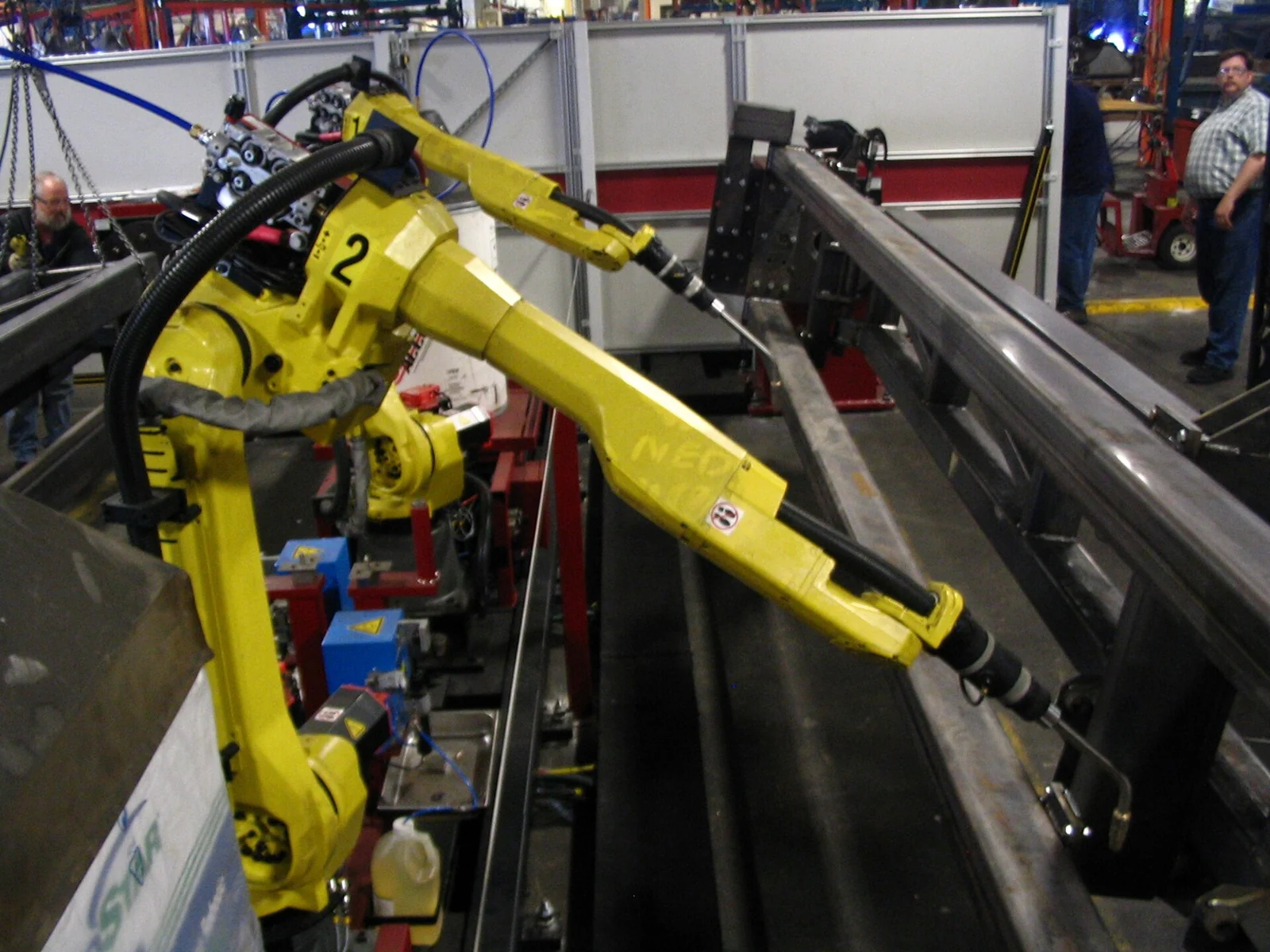
Identify the equipment that determines throughput: a laser cutter, press brake, welding robot, paint line or specialized inspection station. Record replacement lead time, installation needs and available subcontract capacity. Business income planning should consider how losing one bottleneck changes output even when the rest of the shop is undamaged.
Bring a product list, sample contracts, quality-control records and a location-level equipment schedule to the insurance discussion. If work has moved into a new end market, disclose that change before relying on last year’s description. Market suitability remains subject to the exact operations, jurisdiction and insurer review.
Information worth bringing
- Products and end-use revenue split, including structural or pressure applications
- Welding qualifications, inspection methods and nonconformance tracking
- Hot-work, gas-storage and finishing-process controls
- Bottleneck machinery values, lead times and alternative fabrication capacity
Discuss an appropriate exchange method before sending confidential records. This website does not collect documents.
Educational review: October 28, 2026 · Policy wording and facts control.